 Pin It
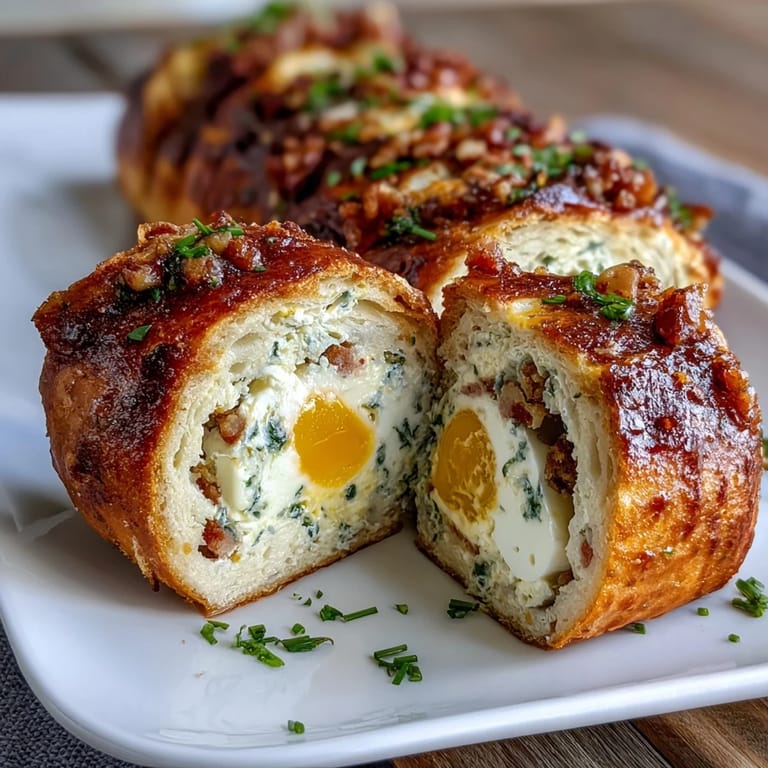
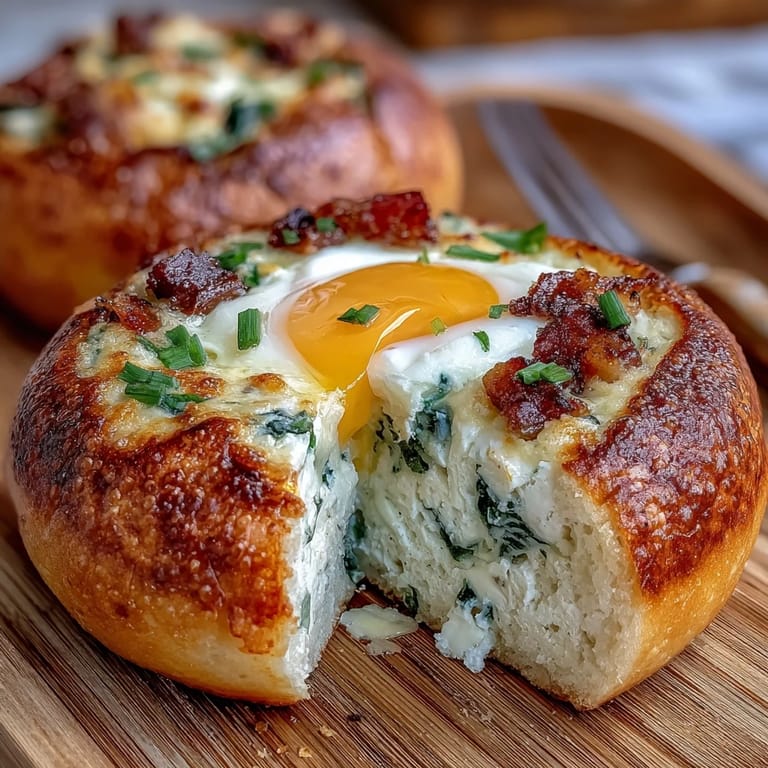
 My neighbor Maria showed up at my door one Easter morning with a mysterious foil-wrapped bundle and the biggest smile—inside was this gorgeous golden pie studded with perfectly halved eggs like little jewels. She explained it was her nonna's torta pasqualina, and watching her slice it to reveal those creamy layers and whole eggs in cross-section made me understand why this dish has been passed down through generations. The combination of buttery puff pastry, ricotta's subtle tang, and the satisfying bite of ham felt like spring itself on a plate. I couldn't wait to recreate it, and now it's become my signature dish for every spring gathering.
The first time I made this for a group of friends, I was nervous about getting those eggs positioned just right, but once I nestled them into that creamy filling and covered them with the second pastry sheet, I felt like I'd accomplished something genuinely special. Pulling it from the oven with its golden, puffed top was pure magic—the kitchen smelled like butter and herbs and promise. When we cut into it twenty minutes later and those egg halves appeared in perfect little rows, everyone around the table went quiet for a moment, and I realized food can absolutely be art.
Ingredients
- Puff pastry (2 sheets, about 500 g total): Make sure these are thawed to room temperature before using, otherwise they'll crack when you press them into the pan—learned that the hard way.
- Ricotta cheese (250 g): The creamy foundation of the filling; use whole milk ricotta if you can find it for richer flavor.
- Cooked ham (150 g, diced): This adds savory depth and texture—quality ham makes a real difference, so don't skimp here.
- Baby spinach (100 g, wilted and chopped): Wilt it first by tossing it in a hot pan for just 30 seconds, then squeeze out excess moisture so your filling doesn't get watery.
- Grated Parmesan cheese (80 g): Freshly grated if possible; it melts into the filling and adds nutty complexity.
- Eggs (3 large): These bind the filling together and add richness—beat them lightly before stirring in.
- Ground nutmeg, black pepper, salt (1/2 tsp each): These warm spices are traditional in Italian Easter pies and shouldn't be skipped—they're what make it taste authentic.
- Olive oil (1 tbsp): Just enough to help everything come together smoothly.
- Hard-boiled eggs (4 large): Boil these ahead and chill them; they need to be completely cool and firm before nestling into the filling.
- Egg yolk and milk (for wash): This creates that beautiful golden-brown, glossy top that makes the pie look like it came from a bakery.
Tired of Takeout? 🥡
Get 10 meals you can make faster than delivery arrives. Seriously.
One email. No spam. Unsubscribe anytime.
Instructions
- Get Your Oven Ready and Pan Prepared:
- Preheat your oven to 190°C and grease that springform pan well—butter works better than oil for this.
- Line the Pan with Pastry:
- Lay one sheet of thawed puff pastry into the pan, pressing it gently into the corners and bottom without tearing it. Let the edges hang over the sides a bit; you'll trim them later.
- Make the Filling Magic:
- Combine ricotta, diced ham, wilted spinach, Parmesan, the three beaten eggs, nutmeg, pepper, and salt in a large bowl. Stir until everything is evenly mixed and creamy—this is where the flavor happens.
- Build the First Layer:
- Spread half of your ricotta mixture across the pastry-lined pan in an even layer, using a spatula to smooth it out.
- Nestle the Hard-Boiled Eggs:
- This is the fun part—create four shallow grooves in the filling and gently press the peeled hard-boiled eggs into them lengthwise, creating a beautiful centerline. They should be snug but not buried.
- Top with the Second Layer:
- Spread the remaining ricotta mixture over the eggs, smoothing the top so it's level and the eggs stay in place during baking.
- Seal It Up:
- Place the second puff pastry sheet on top, trim the ragged edges with a knife, and pinch the edges together with your fingers or a fork to seal them beautifully. Get creative with the crimping—it's your signature.
- Give It That Golden Finish:
- Whisk together the egg yolk and milk, then brush it generously all over the top pastry. This is what creates that bakery-quality golden-brown color.
- Cut Vents and Bake:
- Make a few small slits in the top to let steam escape, then pop it in the oven for 40 to 45 minutes until the pastry is puffed and deeply golden. You'll know it's done when it's gorgeous and slightly jiggly in the center.
- Cool Before Cutting:
- Let it rest for at least 20 minutes—this helps the filling set so it slices cleanly. Patience here really pays off.
 Pin It
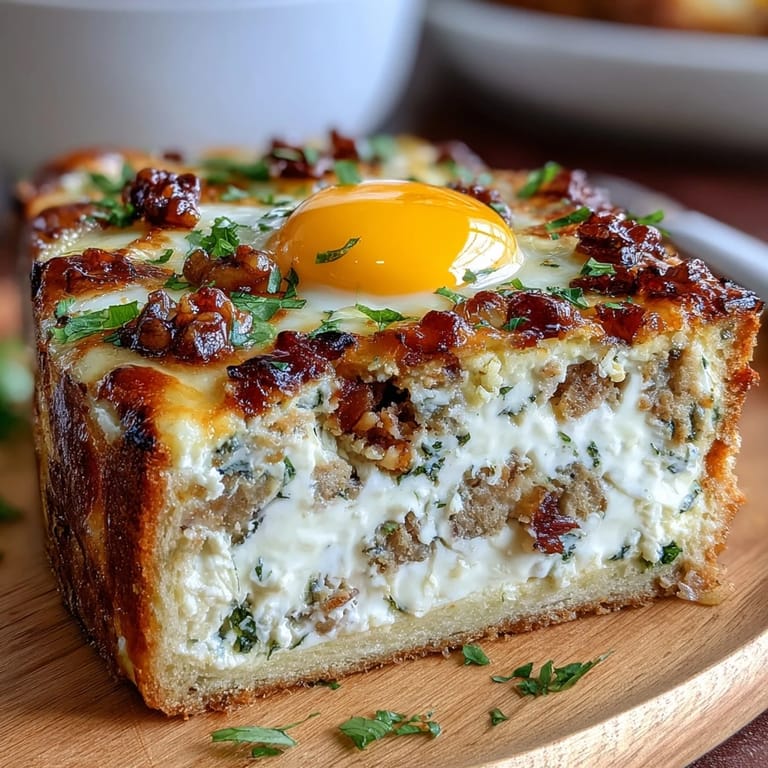
 There's something almost ceremonial about this pie—the way it brings people together at the table, how everyone leans in to see those egg halves appear when you cut the first slice. My kids now request it for their birthdays, and I've started teaching my daughter how to crimp the edges just right. It's become less about following a recipe and more about creating a moment.
Why This Dish Feels Special
Easter pies carry real history and tradition; they were made to celebrate spring's arrival and the end of Lenten fasting, so there's joy baked into every layer. The visible eggs are symbolic—life and renewal—but they're also just stunning to look at. When you serve this, you're not just feeding people; you're connecting them to centuries of family tables and springtime celebrations. That's what elevates it from a simple savory pie to something memorable.
Make It Your Own
This recipe is a beautiful base, but it invites creativity without losing its soul. You can swap the spinach for Swiss chard or kale if that's what you have, add fresh basil or parsley to brighten the filling, or even throw in roasted vegetables for extra color and nutrition. Some people add a pinch of marjoram or thyme—whatever herbs feel right to you. The structure stays the same, but your personal touch is what makes it yours.
Serving and Storage Tips
This pie is truly versatile—serve it warm from the oven with a crisp green salad, or bring it to room temperature for a picnic or potluck. Leftovers keep beautifully in the fridge for up to three days, and it actually tastes even better the next day once the flavors have had time to meld. You can wrap individual slices in foil and reheat them gently, or just pull them straight from the fridge for lunch.
- Slice it with a sharp serrated knife dipped in hot water for clean, beautiful pieces.
- Pair it with a simple lemon vinaigrette salad to balance the richness.
- Make it a day ahead so you're relaxed when guests arrive—this is a dish that improves with time.
 Pin It
 This Easter pie has become the dish I'm known for, and honestly, I love that—it brings people to the table and creates traditions. Make it once, and you'll understand why Maria was so proud to share it.
Recipe FAQs
- → What type of pastry is used?
Puff pastry sheets provide a flaky and golden crust for the pie, complementing the hearty filling.
- → Can I substitute the spinach?
Yes, Swiss chard or kale can be used instead of spinach for a similar texture and flavor profile.
- → How are the hard-boiled eggs arranged in the pie?
They are placed horizontally in shallow grooves within the filling, creating a decorative cross-section when sliced.
- → What gives the crust its golden finish?
An egg yolk and milk wash is brushed on the pastry before baking to achieve a beautiful golden brown color.
- → Is this suitable for spring celebrations?
Absolutely, its festive and hearty nature makes it perfect for springtime meals and special occasions.