 Pin It
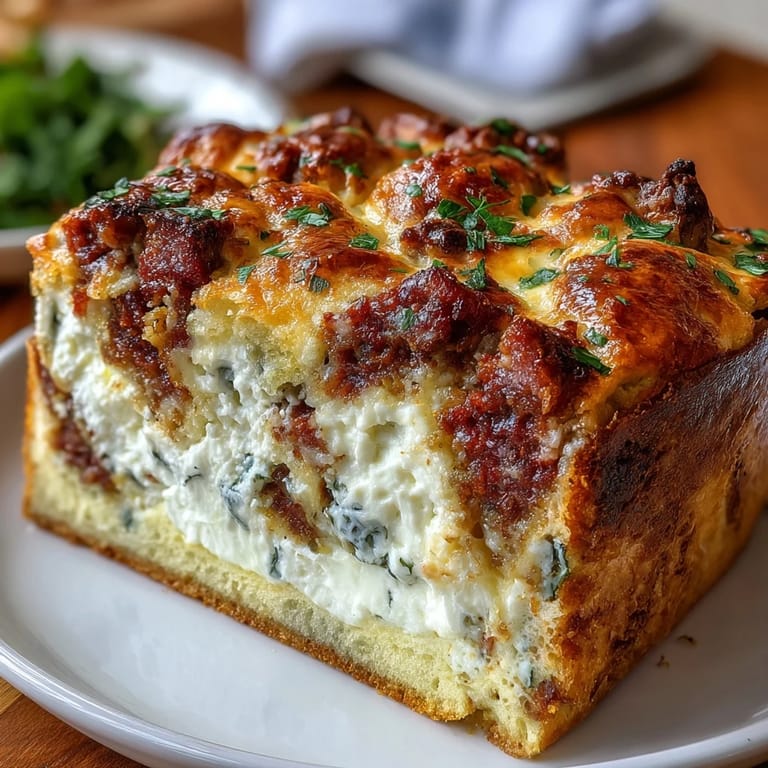
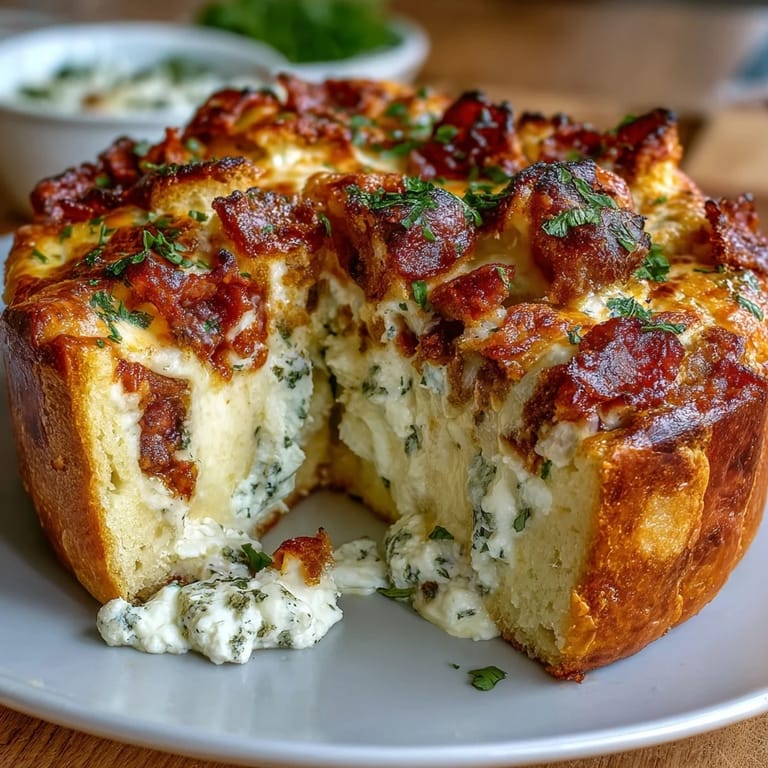
 My grandmother pulled this pie from her oven every Easter morning, and the kitchen would fill with the most intoxicating aroma of butter, cheese, and cured meat. She'd let it rest on the counter while we'd gather around, impatient and hungry, waiting for those first warm slices. Years later, I realized this wasn't just a dish—it was her way of saying the season had turned and we were all together again. Making it now feels like keeping a conversation alive across generations.
I made this for my partner's family gathering last April, nervous I'd somehow ruin a recipe I'd grown up watching. When I pulled it from the oven with that golden, crackled top, his mother actually gasped. That moment—when something you've made becomes part of someone else's memory—that's when I understood why my grandmother made this pie over and over.
Ingredients
- All-purpose flour: The foundation here needs to be cold and handled gently—overworking it turns your pastry tough and dense instead of tender and flaky.
- Unsalted butter: Cold cubes are non-negotiable; they create those pockets of steam that make the crust shatter when you bite into it.
- Whole-milk ricotta: Drain it well in a fine mesh sieve for at least 15 minutes, or your filling will be watery and the crust will get soggy.
- Parmigiano-Reggiano: Buy it in a wedge and grate it yourself; pre-shredded versions contain anti-caking agents that change the texture.
- Italian salami: Dice it into small cubes rather than thin slices—you want little bursts of flavor throughout, not large pieces that dominate.
- Fresh parsley: Added at the end, it keeps its bright color and gentle flavor rather than turning dark and muddy from cooking.
- Heavy cream: This lightens the filling and keeps it from being dense; don't skip it or substitute milk.
- Nutmeg: A whisper of this, not a handful—it's the secret that makes people ask what the mysterious flavor is.
Tired of Takeout? 🥡
Get 10 meals you can make faster than delivery arrives. Seriously.
One email. No spam. Unsubscribe anytime.
Instructions
- Set your stage:
- Preheat that oven to 375°F and get your pan ready—a 9-inch springform works beautifully because the sides release cleanly, but a deep pie pan works just fine too.
- Make the pastry:
- Combine flour and salt, then cut in those cold butter cubes with a pastry cutter or your fingertips until it looks like coarse sand. Add the eggs and just enough cold water to bring everything together into a soft dough—don't overwork it or you'll develop gluten and end up with something tough. Wrap it in plastic and chill for 20 minutes while you gather the other ingredients.
- Line the pan:
- Roll out two-thirds of your pastry into a circle large enough to drape over the sides with some overhang. Press it gently into the pan, letting the excess hang over the edges—you'll trim and crimp it later after the filling goes in.
- Build the filling:
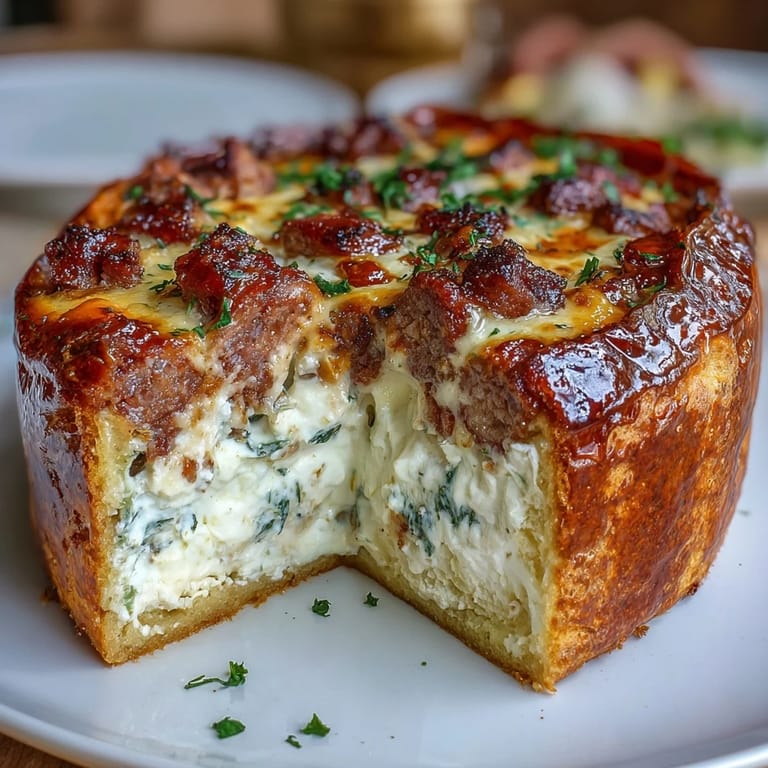
- In a large bowl, whisk together the drained ricotta, eggs, heavy cream, Parmigiano-Reggiano, mozzarella, parsley, salt, pepper, and nutmeg until smooth. Fold in the diced salami gently so it distributes evenly without breaking apart, then pour this luxurious mixture into your waiting pastry shell.
- Create the lattice:
- Roll out the remaining pastry and cut it into strips about half an inch wide. Arrange them in a lattice pattern over the filling—this isn't just pretty, it lets steam escape and gives you those golden, crispy stripes. Trim the edges of the bottom crust and crimp everything together with a fork.
- Brush and bake:
- Paint the lattice and edges with beaten egg wash until glossy, then slide it into the oven. After about 50 minutes, the top should be turning golden; if it's browning too fast, drape some foil loosely over the edges and bake for the remaining 5 to 10 minutes until the filling is set and doesn't jiggle.
- Rest and serve:
- This is the hardest part—let it cool for at least 30 minutes before cutting so the filling has time to set. Slice it warm, at room temperature, or even cold the next day; it's honestly delicious every way.
 Pin It
 My neighbor knocked on my door with a slice left over from her family dinner and tears in her eyes—her mother used to make something similar decades ago, and she'd forgotten until now. Food has this strange power to unlock rooms we've closed, and that's when a recipe becomes something sacred.
On Choosing Your Salami
The salami you choose will set the entire tone of this pie. I've used spicy varieties that add a peppery kick, and I've used milder ones that let the cheese shine. What matters is that it's good enough to eat on its own—grocery store mystery meat will make everything taste mediocre. Look for Italian brands like soppressata or genoa, ask the deli counter for a recommendation, or taste a sample before committing. You're not just filling a pie; you're building a flavor memory.
The Egg Wash Moment
I used to think egg wash was decorative, but it actually serves a purpose—it seals the pastry and creates that shiny, golden exterior that makes people slow down and really look at your pie before they cut into it. A light brush is all you need; too much and it gets thick and plasticky. Some people use just the yolk for extra shine, others add a drop of water to stretch it further, but honestly, one beaten egg with a pastry brush is the move that works every single time.
Make It Ahead and Storage
You can assemble this pie the morning of, cover it loosely with foil, and bake it when you're ready—just add a few extra minutes if baking from cold. Leftovers keep beautifully for three or four days in the fridge, and honestly, a cold slice with some crusty bread the next morning is an underrated breakfast. If you're planning ahead, you can even make and freeze the pastry dough for up to a month.
- Assemble up to 8 hours ahead and refrigerate until you're ready to bake.
- Store cooled leftovers in an airtight container, and reheat gently in a 300°F oven if you like it warm again.
- The filling can be made a day ahead and refrigerated separately—just pour it into the pastry shell right before baking.
 Pin It
 This pie is more than food—it's a moment to slow down and feed people you care about something that tastes like tradition. Make it, share it, and watch it become part of someone's story the way it's become part of mine.
Recipe FAQs
- → What type of cheese is best for the filling?
Ricotta provides creaminess, while Parmigiano-Reggiano and mozzarella add richness and melt nicely, creating a harmonious blend of textures and flavors.
- → Can I substitute salami with other meats?
Yes, prosciutto or cooked ham make excellent alternatives, maintaining the savory profile of the filling.
- → How should the pastry be prepared for best results?
Chill the dough after mixing to ensure a tender, flaky crust and roll it evenly to line the pan and create a lattice top.
- → Is it necessary to use a lattice topping?
The lattice adds visual appeal and allows steam to escape, helping the filling set evenly during baking.
- → How can I make a vegetarian version?
Omit the salami and add sautéed greens like spinach or artichokes to keep the filling flavorful and hearty.