 Pin It
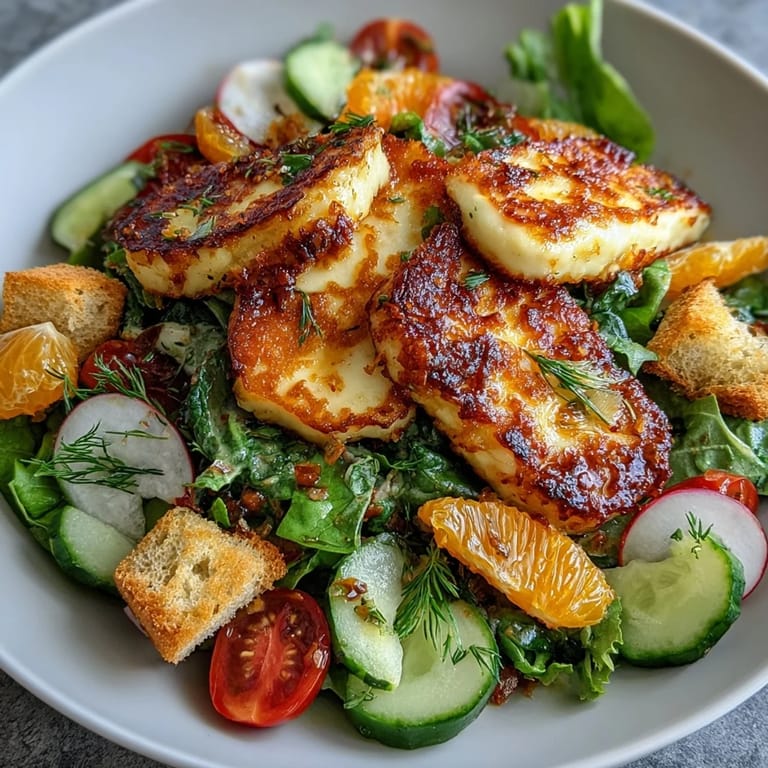
 My friend Lena brought a container of this salad to a rooftop dinner last September, and I watched people actually pause mid-conversation to taste it—that moment when food stops being fuel and becomes something worth talking about. The combination of warm, salty halloumi against tart blood orange felt like discovering two flavors were always meant to meet. She mentioned it was inspired by her travels through Lebanon, though she'd adapted it for what grows well at our farmers market. I asked for the recipe that night, and it's become my go-to when I want something that feels both impressive and genuinely easy to pull together.
I made this for my book club gathering in November, and someone actually requested the recipe before dessert arrived, which never happens at our meetings. The sumac vinaigrette was the detail that sparked the most questions—people were tasting something they couldn't quite name, that subtle citrus-without-lemon quality that made the whole salad pop. That night reminded me why I cook: not for perfection, but for those moments when flavors create tiny surprises on someone's tongue.
Ingredients
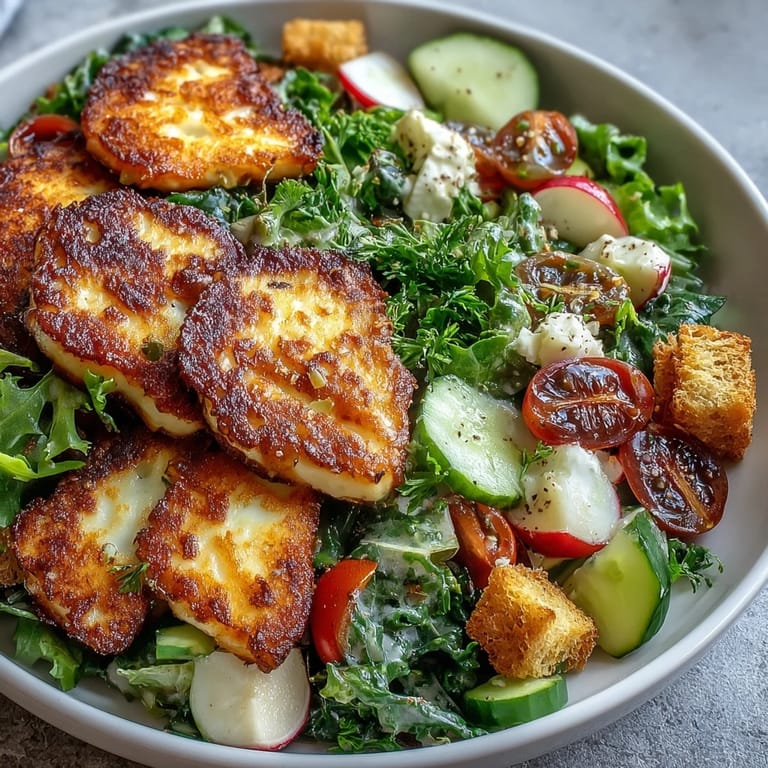
- Halloumi cheese, sliced: This is your star player because it has a high melting point, so it gets golden and crispy instead of melting into a puddle—look for slices about a quarter-inch thick so they stay creamy inside.
- Blood oranges: Sweeter and more delicate than regular oranges, they bleed their gorgeous color into the dressing, plus they have fewer seeds to navigate around.
- Mixed salad greens: The parsley and mint aren't just garnish here—they're essential for that fresh, herbaceous backbone that makes the whole salad feel alive.
- Cucumber and cherry tomatoes: These contribute crunch and acidity that balance the richness of the cheese and the sweetness of the fruit.
- Radishes and red onion: Both add a gentle bite and visual drama, especially that deep purple against the green.
- Sourdough bread: Thicker slices mean your croutons won't turn into dust when you toss the salad, and sourdough has enough tang to complement the sumac.
- Extra virgin olive oil: Use good quality here—it's a supporting player in the dressing and deserves to shine.
- Lemon juice and red wine vinegar: Together they create brightness without being aggressively sour, letting the other flavors come through.
- Ground sumac: This is the flavor whisper that makes people wonder what they're tasting, with its subtle tartness and almost-citrus quality.
- Pomegranate molasses: A touch of this adds depth and complexity, rounding out the acidity with subtle sweetness.
Tired of Takeout? 🥡
Get 10 meals you can make faster than delivery arrives. Seriously.
One email. No spam. Unsubscribe anytime.
Instructions
- Toast your croutons until they're golden and still slightly soft inside:
- Preheat your oven to 180°C and toss those sourdough cubes with olive oil and salt, spreading them out so they're not crowded on the baking sheet. Turn them once halfway through the 8–10 minute bake so they color evenly on all sides.
- Whisk together your dressing while the bread toasts:
- Combine the olive oil, lemon juice, red wine vinegar, sumac, pomegranate molasses, salt, and pepper in a small bowl, whisking until everything is incorporated. Taste it straight from a spoon—this is your moment to adjust the balance before it meets the salad.
- Get your halloumi golden and warm:
- Heat that tablespoon of olive oil in a nonstick skillet over medium heat until it shimmers, then lay in your halloumi slices without moving them for about a minute—you want that golden crust before you flip. Each side needs just 1–2 minutes total, so keep an eye on it.
- Build your salad base in a large bowl:
- Combine all the greens, cucumber, cherry tomatoes, radish, and red onion, mixing gently so nothing gets bruised. This is where you can pause if you need to—the greens will stay crisp for a bit.
- Compose and dress everything together:
- Add the blood orange slices, warm halloumi, and croutons to your greens, then drizzle with dressing and toss gently, being careful not to break up the cheese or squash the delicate croutons. Serve immediately so everything stays at the right temperature and texture.
 Pin It
 My daughter decided this was her favorite salad after trying it once, which is saying something from someone who usually pushes vegetables to the edge of her plate. She specifically loved how the cheese was warm but still had that salty, squeaky texture, and she asked if we could make it again the following week.
Playing With Flavor
The beauty of this salad is that it's naturally balanced without feeling heavy—the richness of the halloumi is met immediately by the brightness of citrus and herbs, while the sumac vinaigrette ties everything together with a flavor that's subtle but unmistakable. I've played with adding a tiny pinch of cumin or coriander to the dressing on different occasions, and both work beautifully if you're feeling experimental. The key is not to overwhelm what's already there; this salad doesn't need fixing, just maybe a gentle tweak here and there.
Timing and Temperature
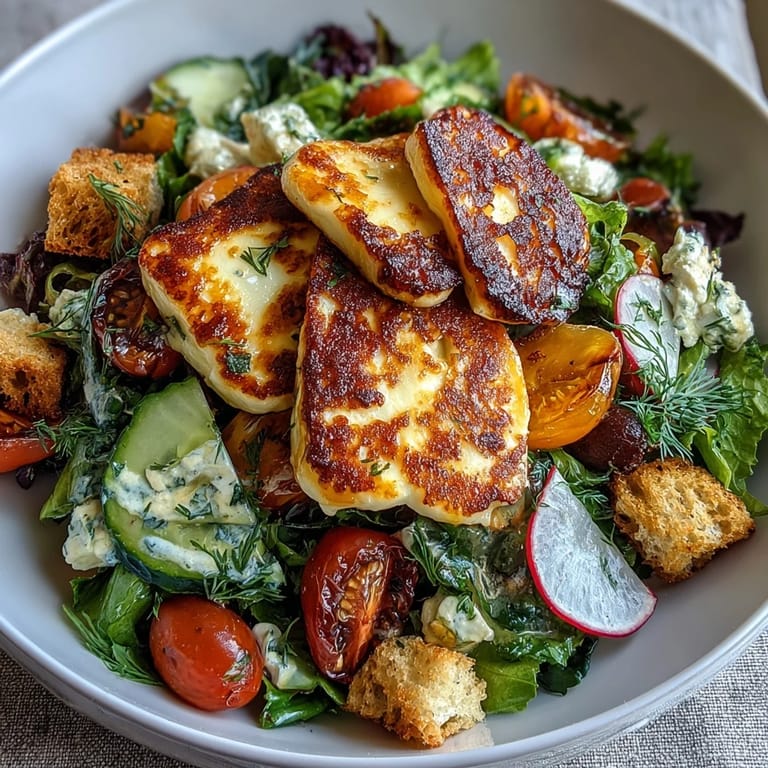
The temperature contrast is honestly what makes this salad feel special—the warm cheese against cool greens and crisp croutons creates this moment of discovery in every bite. Serve it right away after dressing, while the halloumi is still warm enough to create a slight wilting effect on the delicate herbs but the greens haven't lost their snap. If you're serving a crowd, you can fry the halloumi and make the croutons ahead of time, keeping both warm and bringing them to the salad just before tossing.
Making It Your Own
This salad invites creativity while respecting its core identity—you can add or subtract ingredients based on what's in your kitchen or what you're in the mood for. I've added toasted pistachios for crunch, scattered pomegranate arils for tartness and visual pop, or swapped in grilled peaches when blood oranges aren't available. Here are some thoughts for personalization:
- Pitted Kalamata olives or green olives add a savory note that plays beautifully against the fruit and cheese.
- Toasted almonds, walnuts, or pistachios bring textural contrast and a subtle earthiness that complements the fresh herbs.
- If you go vegetarian or vegan, firm tofu pressed and pan-fried until golden offers a similar textural experience to the halloumi.
 Pin It
 This salad has become my answer to the question of what to bring to a gathering when I want people to feel genuinely cared for. It's the kind of dish that makes you feel like you've traveled somewhere just by eating it.
Recipe FAQs
- → Can I make halloumi fattoush ahead of time?
Prepare components in advance but assemble just before serving. Keep dressing separate, fry halloumi right before serving, and add croutons last to maintain crispness.
- → What can I substitute for blood oranges?
Regular oranges or grapefruit work beautifully. The citrus provides essential sweetness that balances the salty halloumi and tangy dressing.
- → How do I prevent halloumi from becoming rubbery?
Fry quickly over medium-high heat just until golden, about 1-2 minutes per side. Avoid overcrowding the pan and serve immediately while warm.
- → Can I grill the halloumi instead of frying?
Yes, grilling works excellently. Brush lightly with oil and grill 2-3 minutes per side until you get attractive char marks.
- → Is there a vegan alternative to halloumi?
Grilled tofu or vegan feta make good substitutes. Marinate tofu in sumac and lemon before grilling for extra flavor depth.
- → What does sumac taste like?
Sumac has a tart, lemony flavor with subtle fruity notes. It's essential for authentic Middle Eastern tanginess and beautiful ruby color.